
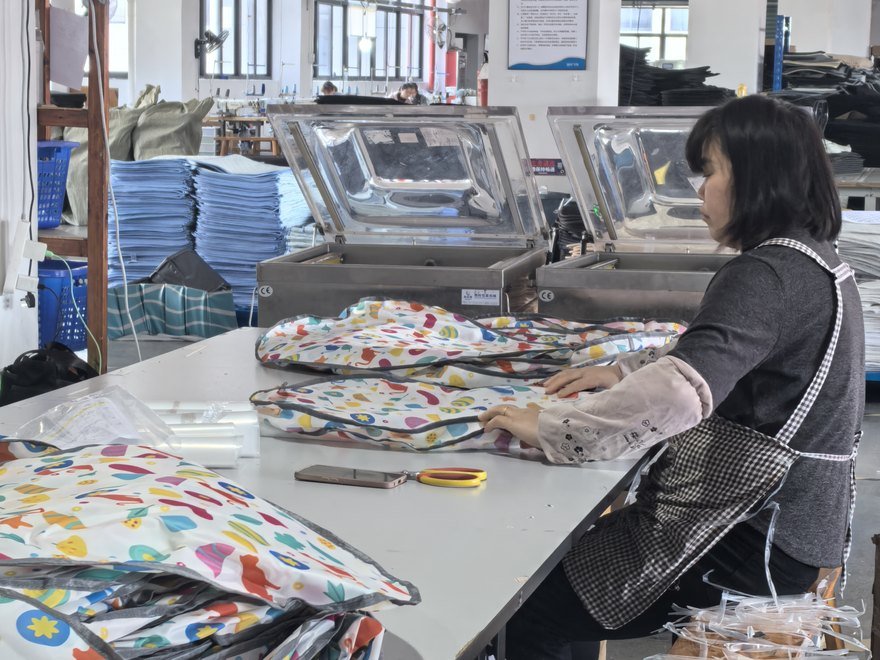
Sampling is the stage that costs the least and the one that decides everything after it. What you approve at this stage becomes the standard the bulk run is inspected against — so the approval is a commitment, not a formality.
The short answer
An enquiry gets an answer within one business day. A sample is prepared in 5 days and costs US$25–40 per model, credited back in full against your first production order. The piece you approve becomes the inspection reference for the bulk, and the bulk run does not start until you have approved it in writing. The part most buyers underestimate is their own review time, not the sample.
What to put in the enquiry
Three items decide how useful the first reply is: the product — a model from the range or a reference product of your own — the quantity you have in mind, and the market you sell into. Add the channel, because marketplace listings and retail shelves ask for different information on the pack, and add your in-market date if the season matters to the launch.
With those four things, the reply can be specific: model options, the sample fee, and the questions that need answering before a sample is worth making. Without them, the first exchange becomes a questionnaire, and the calendar starts moving before anyone has decided what is being sampled.
From enquiry to a sample on your desk
| Stage | Who acts | What happens |
|---|---|---|
| Enquiry | You | Product, quantity, market, channel and any packaging idea, in one message. |
| Reply | Us | Within one business day: model options, sample fee, and the specification questions that decide the prototype. |
| Sample | Production partner | Prepared in 5 days, then shipped to you with tracking. |
| Review | You | Measure it, wash it if that matters, and check construction, colour, logo and packing. |
| Approval | You, in writing | The approved piece becomes the inspection reference; production is scheduled against it. |
Two things can slow this down, and both are usually on the buyer’s side: a specification that is still changing while the sample is being made, and a review that takes longer than the sample did. If you have a date to hit, say so at enquiry stage and the sample can be booked early enough to leave room for one revision.
What the sample fee covers, and why it comes back
A sample costs US$25–40 per model. That covers material, cutting and the work behind the piece — it is a real product, made on the same specification as the bulk, not a photo of one. The fee is credited back in full against your first production order, so on that order it works as an advance rather than a cost.
If you are sampling several models or colourways, each one is charged and each one is credited. The useful discipline is to sample what you intend to launch and keep the second colour or the extended size range for the reorder decision — samples are cheap, but your review time is not.
Approving the sample: what to write down
Approval is not “looks good”. A useful approval names the things that will be inspected later: dimensions, materials and construction, colour against the Pantone reference that goes into the spec sheet, logo placement, and packing. Photograph the piece you approved and keep it, because that piece — not the photographs — is the reference the bulk is measured against.
Work through the sample the way a customer would: open the pack, read the label, and handle the product as it will be handled in use. The sample evaluation checklist covers the points that buyers most often skip, and the spec sheet guide explains how to make sure the document and the physical sample agree before either is signed off.
When the sample comes back wrong
Send back exact information rather than a general objection: photographs with a ruler in the frame, the area circled, and a clear statement of whether the issue is construction, material, colour or finish. A revision at sample stage is a normal part of the process and costs you time, not material. The expensive version of the same problem is finding it after the bulk run has started, which is why the sequence gives you a written approval step before production — the point at which you can still say no at no cost.
Questions we get asked
How long does sampling take in total?
Preparation is 5 days from the point where the specification is settled. After that the sample travels to you, and your own review is the next block of time. If you have an in-market date, tell us at enquiry so the sample is booked early enough to leave room for one revision rather than none.
Can I sample before committing to a production order?
Yes — that is exactly what the fee is for. US$25–40 per model, prepared in 5 days, and credited back in full against your first production order. No production slot is booked until you have approved the sample in writing.
Is the sample made on the same setup as the bulk order?
Same production partner, same specification, and the approved piece is what the bulk is inspected against. Ask for inspection photos at the end of production and compare them with the piece on your desk — that comparison is the check the whole sequence is built around.
What if I want changes after I approve?
Raise them before the bulk run starts. Once production is running, a change means rework and a new delivery date. If something bothers you about the sample, say it while the sample is still the open question: a change costs less at that point than at any later stage of the order.
If you want to see the whole route from enquiry to shipment on one page, the service page sets out the steps and what you approve at each one. Send your product, quantity and market through the contact page and we will come back with model options and the sample plan within one business day.